

“Expressing breastmilk” means getting milk out of the breast by hand or machine, to feed the baby or store until later. As with everything birth and parenting related, there seem to be myriad opinions about it. This article aims to cut through some of the common myths and misconceptions about expressing breastmilk.
Do I have to express?
While your social media feed might make you think that everyone is buying a breast pump, some women never want or need to express a drop.
Many women choose to express milk though, for a wide range of reasons.
Why might I want to express?
The most common reasons to express are:
- baby cannot feed directly at the breast e.g. due to prematurity or illness
- to relieve engorgement/full breasts when the milk comes in or at other times
- needing or wanting to be away from your baby (occasionally or when returning to work)
- boosting milk supply, especially if baby does not breastfeed very efficiently
- giving someone else the ability to feed your baby (hopefully while you rest)
Many parents choose to feed their baby a bottle of expressed milk daily to give the mother a break and remind the baby how to take a bottle. Most of us will have heard of babies that refuse to take bottles entirely, and wish to avoid this scenario, although there is precious little evidence for when to start or how frequently to give a bottle to avoid the problem.
Express by hand, manual or electric pump?
What kit do you need, if any? In the first couple of days after birth, hand expressing is really the only sensible way to get the colostrum (early milk) out. Colostrum is generally thicker than more mature breastmilk and is made in small volumes, breast pumps are not good at extracting it and it tends to get lost around the values in the bottles. Most mothers would choose to hand express instead, which is a skill involving squeezing the nipple while also collecting (or getting someone else to) the colostrum in a milk collection syringe, sterile teaspoon or other sterile utensil. Where to squeeze varies woman to woman, I suggest starting around the place where the coloured part of the nipple meets the fleshy part, and work backwards and forwards from there until you find the sweet spot for you. Squeezing on the “sticking out” part of the nipple, if you have one, does not really work. Once you have been expressing one area for a while, move your hands around and try another spot on the breast.
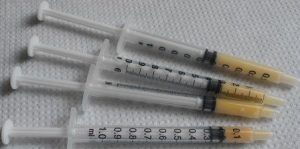
Here is a link to a helpful video on hand expressing.
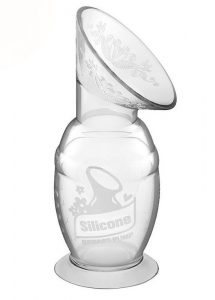
Next up in terms of kit are silicone basic collection systems such as those made by Haakaa and NatureBond. These work when milk is already flowing, for example you can feed your baby on one side and use the Haakaa to create a vacuum and collect milk from the other side with minimal effort. On the plus side, these are cheap and effective. On the downside, you need to be feeding while using them, and make sure that you have sufficient supply not to be taking milk that your baby needs at that moment. For this reason, many mothers use them in the mornings or other times when their milk supply tends to be higher.
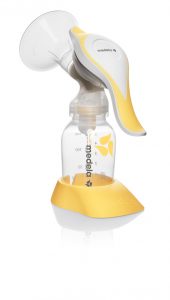
Hand pumps have valves and a sucking action much like electric pumps. They are discreet and relatively inexpensive, and have less of a “dairy” feel about them! However, daily and repeated use of hand pumps can be hard work on the wrists.
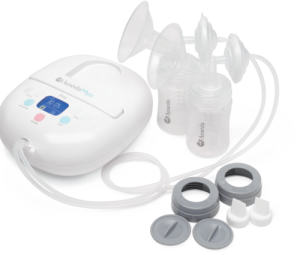
Domestic electric pumps are available in single and double versions, depending on what you plan to use them for. They are not all created equal, do check online reviews for recommendations. Electric pumps tend to be quite efficient provided they are working and fitted correctly.
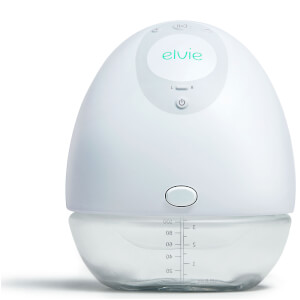
Wireless pumps are the new kids on the block. The Elvie wireless pump is a popular and discrete choice, although it is more expensive than wired models. Feedback from mothers suggests that while they love them they are not always reliable, but that Elvie customer service is very good. Many women swear by them.
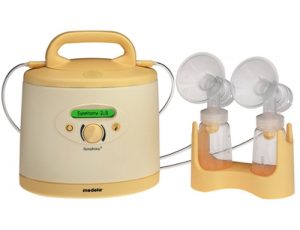
Hospital grade pumps are bulky and expensive, but an excellent choice to hire if you find yourself needing to express for every feed. For mothers of multiples, babies in NICU or those exclusively expressing, hiring something like the Medela Symphony would often make life much easier. They are available direct or through many pharmacies.
When should I start?
Again, this depends on why you are expressing. If your baby has just been born and cannot latch on, you will need to hand express. If your baby is premature or poorly and in NICU, likewise. After your milk comes in, you can use an electric pump. If you are at home and worried about milk supply, you could express at any point to reassure yourself that baby has had something, and to build up supply. Expressing might be necessary to relieve primary engorgement when the milk comes in, see this article. For mothers where breastfeeding is going fine and there is no urgent need to express, it is common sense to wait until you and your baby are used to breastfeeding before adding expressing into the mix. Somewhere between four and eight weeks is often suggested as a good time to start, as most babies are amenable to taking bottles at this stage.
Will giving my baby expressed milk confuse them and ruin breastfeeding?
To be honest, we really do not have enough scientific evidence to answer this question. If your baby cannot breastfeed and you want to give breastmilk, feeding your baby expressed milk is your only other option! It has the dual benefits of feeding your baby and maintaining your supply until a time when your baby can (hopefully) breastfeed directly. Some midwives recommend using a cup or taped on nursing tube rather than giving your baby a teat. However, this is can be rather impractical in the longer term or when you are at home.
In my experience, most babies take willingly learn to take both breast and bottle. However, we all know that some babies do seem to develop a preference for a bottle, especially when breastfeeding has been difficult or stressful for you both. We can help to minimise this by giving bottle feeds in a slow and paced way, using a slow flow teat if possible, to make the experience more like a breastfeed. Lots of skin to skin contact and breastfeeding practice in a low stress environment (not when baby is really hungry) could be common sense interventions. Please do get some specialist advice. However, there might be times when baby or mum’s anatomy or some other factor comes into play and bottles are by far the most sensible way forward.
Do I need to “harvest” colostrum before my baby is born?
Many midwives suggest that women learn how to hand express in advance of the birth and begin to collect their colostrum. The thinking goes that it is a useful and empowering skill to learn. There are pros and cons to this, as some women find it incredibly difficult. Mothers with diabetes, multiple babies or medical conditions that might affect the babies around the time of birth, would be encouraged to try colostrum harvesting and have some little syringes of colostrum in the freezer to give to their babies soon after birth. For everyone else, you could try it if you want. Please do not get disheartened if you do not see any colostrum. The placenta is busy telling your body that you are still pregnant. What you gather before birth is not a good indication of the amount of milk you will produce afterwards.
How long shall I pump for?
Why are you expressing? If you want to ease engorgement, just pump until you are no longer painfully full. If aiming for a large volume of milk, pump until it milk no longer actively dripping out and then maybe a few minutes more. Breast compressions will help. Obviously, every woman’s let down rate is different. Some can pump as much as they want or need in five minutes, others might take 10-20 mins. Excessively long sessions (30 mins plus) might cause some breast soreness. We know that little and often is more effective in boosting milk supply than one or two marathon expressing sessions.
What time of day should I express?
There is generally a bit more milk available after midnight and in the mornings… but again this will be determined by what you are expressing for. Parents wanting an evening bottle will often try expressing after a morning feed to take any spare, and then express both sides before they go to bed, with the hope that this together generates a full feed for the partner to give. Everyone is different.
How much milk should I express for a feed?
How much milk is required varies enormously depending on the age and size of your baby, number of feeds each day, how hungry your baby is at that moment, how hot it is, how well they take a bottle. Try to be led by your baby as much as possible. Aim to have enough in your bottle to know that baby is full but they have still left a little bit. If you are really keen to know volumes, try 90-120 ml for a baby over 4 weeks and see how you get on. Younger babies may not need that much, and newborns much less. Please ask your midwife if you are unsure about feeding your newborn, and look out for other signs such as their behaviour and what is in their nappy. Here is a link to more information.
One side or both?
Needless to say, this depends on why you are expressing. If you are apart from your baby you might like to try both sides to minimise time and maximise milk production. If you are concerned about oversupply, you might do the minimum expressing necessary to maintain comfort.
What impact will expressing have on my milk supply?
Breastfeeding works by supply and demand. Each breast responds to how full it is. As the breast fills and starts to feel tight with milk, little receptors in the breast tissue tell it to stop making more. When the breast is drained by a baby or expressing, it starts more milk production again. The emptier the breasts are, the more milk they produce. Frequent expressing, therefore, encourages the body to make more milk. If you were expressing because you felt full, you would take off as little as possible so not to ask the body for more milk. If you wanted to boost supply, you would be advised to pump as frequently as possible.
How do I maximise production?
Shorter, more frequent pumping sessions tend to yield more milk overall than a couple of long sessions. Women who really want to improve their supply, or are exclusively breastfeeding, are advised to express at least eight times in 24 hours including at least once at night.
Mothers can boost the amount collected by squeezing their breasts while expressing (breast compressions) to get more milk out. If apart from your little one, looking at a photo or snuggling with your baby’s blanket helps get the oxytocin going and the milk to let down. Ditto gentle massages, baths, chocolate (I made the last one up, but I want to believe it). Pumping both sides at once, or feeding on one side and pumping the other, saves time and boosts production through the oxytocin produced.
There are certain foods and herbal supplements that may help, and also medicines, but none will be as effective as frequently taking the milk out.
Stress and anxiety reduce the let down of milk. Many women find that covering the collection bottle with a baby sock or similar, miraculously reduces their performance anxiety.
The excellent book “Making More Milk” 2nd Edition by Marasco and West, has chapter and verse on everything to do with milk production.
How many times a day do I need to express?
You will be sick of hearing this, but it depends. Mothers who are exclusively expressing will find that they have a magic number of times they need to express to maintain their supply. It is based on lots of unique factors including breast storage capacity. Some women express everything their baby needs in a day in three sessions, others might need eight. This is a useful summary here.
Nothing is coming out!
Please do check that the pump is working and on the correct setting. I know this is basic, but you’d be surprised what I see. The sneaky little valves get broken easily. Check the suction. Aim for nuzzling up to where your nipples become sensitive and back off. We do not want expressing injuries. Some pumps have a variety of funnel sizes and you might want to double check that yours fits well.
Next, ask yourself whether anything is impacting on your supply, especially you are in the first couple of days after birth. Some temporary issues, and some longer term medical ones, can impact on milk production, so enlist some skilled support.
Some women can fully breastfeed their baby and never express a drop. Sorry. It just happens.
Some mothers find that one day nothing comes out. Even if they have been exclusively expressing for ages. There are a number of things that could be happening. Often it is just one of those things and is better the next day, other times something else is going on. Please call a lactation professional to chat through what is going on for you.
Expressing and returning to work
Chat to your employer about breastfeeding before returning to work. Many women find that they can feed their baby just before they leave for work, and as soon as they return. Many will also express at their normal feed times during the day, to maintain milk supply and collect milk for their baby. Some arrange childcare near work so they can breastfeed during breaks.
Employers are not legally required to provide somewhere for you to express and store your milk during the day, or to provide breastfeeding breaks. They are required not to discriminate against breastfeeding mothers, and to meet health and safety requirements. Guidelines suggest that women express in a comfortable, clean place with a lock, and this should not be the lavatory. Start here for more information.
Pumping and dumping – is it necessary?
Are there substances in breastmilk that might be harmful for your baby? If you need some forms of medical diagnosis or treatment, it is very occasionally necessary to express and throw away milk for a certain time until the relevant medicines have left your system. The Breastfeeding Network resources on drugs in breastmilk are a good place to start for information on this. Most drugs have not been tested on lactating mothers and clinicians may be cautious.
Guidelines suggest that breastfeeding mothers can drink small amounts of alcohol occasionally, although they should not then bedshare or fall asleep on a sofa with their baby. Heavy or binge drinking is not recommended. After an alcoholic drink the blood contains alcohol and it passes freely into the breastmilk, but as the woman’s blood alcohol level falls the alcohol also leaves the breastmilk. Therefore, it is not necessary to pump and dump breastmilk after the odd glass of wine. If the mother is really drunk and her breasts hurt as they are so full, she might choose to pump and dump. The key thing is that a drunk mother is not capable of looking after a baby properly, a sober adult needs to be doing that until the mother is feeling better!
What about sterilising?
The guidance on sterilising varies so much, it can be very confusing. It is important to wash your hands and the pump parts in hot soapy water before beginning an expressing session. The NHS recommends that you sterilise everything that touches your milk before expressing e.g. collection containers, pump parts, flanges. However, several pump manufacturers and many hospitals just ask women to sterilise the kit once a day and to wash it all in hot soapy water in between expressing sessions.
The good news is that breastmilk has natural antimicrobial properties. Expressed breastmilk does normally separate out into a layer of cream on top – it will just need a swirl or gentle shake to get it back together. Many people say that if the milk has “gone bad” it has an obviously sour smell, and should be discarded.
How do I store expressed breastmilk?
Guidelines on how long to store expressed milk also vary widely! Provided that you follow good hygiene practices, expressed breastmilk is good for at least four hours at room temperature, five days in the back of a well working fridge (under 4C), or six months in an efficient freezer (-18C). Milk can be stored in a baby feeding bottle or special milk storage bag. Ideally do not add warm newly expressed milk to cold milk already in your fridge – if you want to combine them for later wait until the new batch is cold too. Once your baby has started a bottle the milk is mixed with saliva, so it needs to be used within a couple of hours or else thrown away.
If you have thought about it in advance, defrost frozen milk by moving it into your fridge. You can warm up expressed breastmilk in a bowl of warm water. You are not trying to sterilise it, just get it up to body temperature (about 37C). If you drip some warmed milk onto your wrist, it should not feel hot or cold. Microwaves are not recommended because they create hot spots in the milk that spoil it and could burn your little one.
For further information on this or any other feeding related topic, feel free to contact me on 07720 425897 or see my website www.helpmebreastfeed.net